









Launchpad Development
Launchpad Development handles building secure, user-friendly platforms for token sales and crowdfunding.
We design and build secure NFT marketplaces on Ethereum, Solana, Polygon, and other chains, complete with custom smart contracts, wallet integration, and creator royalty tools. Whether you're launching your first platform or scaling an existing one, we handle the process from architecture to deployment.



We deliver end-to-end NFT marketplace development services through a simple, efficient process - from concept to launch - ensuring a user-friendly experience for creators and collectors.
We begin the NFT marketplace development process with a stakeholder consultation to understand your vision, asset types, ownership model, and desired user experience. This guides us in defining core features like minting, wallet integration, and trading—ensuring a secure, scalable platform with reliable smart contracts.
Next, we plan the design and core features of your future NFT marketplace. This covers how users will browse, mint, list, buy, and sell NFTs, as well as how wallets connect and transactions are handled. We create easy-to-understand drawings and documents so everyone understands the platform from both a technical and user perspective.
We build the frontend in React and the backend in Node.js, alongside the smart contracts that handle minting, listing, and royalty payouts. Every contract is deployed and tested on a testnet first, so bugs get caught before real assets or funds are ever at risk. Once testing passes, we move to mainnet deployment and connect the platform to wallets like MetaMask.
Before launch, we implement rigorous QA software testing as a critical component of our NFT marketplace development solutions. Our quality assurance team performs comprehensive evaluations covering usability, security, and performance, ensuring the platform delivers a seamless and consistent experience across all devices and browsers.
Deployment is the final step in our NFT marketplace development services. We use CI/CD pipelines and cloud platforms like AWS, Azure, or Google Cloud—combined with Docker and Kubernetes—to ensure smooth, scalable launches with automated testing, continuous updates, and zero-downtime releases.
We've shipped NFT platforms across gaming, art, and real estate assets. That means we've already solved problems like gas spikes during high-traffic mints and wallet connection failures, so your launch doesn't become the place we learn those lessons.
Every NFT marketplace we build is unique. We don’t use one-size-fits-all code—we design your platform based on your goals, users, and the kind of NFTs you’re offering.
Want to launch on Ethereum, Polygon, Solana, or BNB Chain? We build marketplaces that work on multiple blockchains to give your users more flexibility and lower fees.
Your platform connects with MetaMask, Coinbase Wallet, and WalletConnect out of the box. If you want to reach buyers who aren't crypto-native yet, we can add card payments through a fiat on-ramp provider like MoonPay or Transak.
Buyers browse and mint on both desktop and mobile, often mid-transaction with a wallet app open alongside your site. We design layouts that stay clear and fast on any screen, so listing, bidding, and checkout never feel confusing at the exact moment someone's about to buy.
Launch isn’t the end—we keep working with you. We’ll help add new features, fix issues, and make sure your marketplace keeps improving as the NFT space grows.
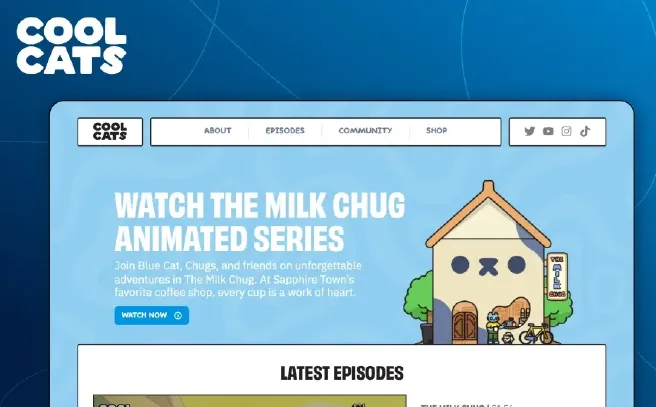
NFT Development

Food Delivery App

AI Integration
Riggs Eckelberry
President & CEO at OriginClear, Inc
We had a strict launch timeline. Solicy helped finish the design, corrected errors, developed the site end-to-end, and ensured everything worked smoothly after going live.
Piran M.
Head Of Project Management
The Solicy team is great, working tirelessly on complex projects. What sets them apart are their leadership and communication skills.
Bruna Franceschi
We noticed strong user adoption, high transaction volume, smooth multi-chain integration, and top-tier security.
Antoine Keosseian
We were really impressed with our interaction with Solicy and think of their team as a professional bunch that can be relied on even with the most complex of tasks.
Alexandre O.
CTO

The Solicy team is fantastic at creating algorithms. If you need technical leadership, I highly recommend them. They also have a great grasp of team dynamics.
We serve a diverse range of industries — not just the ones listed below. If your sector isn’t mentioned, there’s a good chance we’ve worked in it too Let’s talk.

We build online learning software for schools, EdTech companies, and instructors—virtual classrooms, apps, and testing platforms that improve student interest, simplify teaching, and help track and enhance student progress.

Streamline real estate with listing software, tenant tracking & sales monitoring. Our platforms help agents work efficiently, decide smarter & delight clients.

Construct secure, intuitive financial products using our customized banking apps, payment systems, and analytics platforms—designed to protect customer data, facilitate compliance, and propel your business forward more quickly.
For visually appealing, responsive, and user-friendly web interfaces.
For secure, efficient, and scalable server-side processing.
For reliable, fast, and efficient data storage and management.
For optimal, scalable, and secure application performance.
An NFT developer builds and deploys the smart contracts behind an NFT marketplace, sets up the minting system, and connects the backend to the frontend so users can browse, buy, and sell without friction. On our team, that also means handling wallet integration and making sure the contracts are tested before anything touches mainnet.
A marketplace lets creators sell digital work directly to buyers without a middleman taking a cut of every sale. Ownership records live on-chain, so provenance is easy to verify, and royalty logic can be built into the smart contract itself, meaning a creator keeps earning a percentage every time their piece resells, automatically.
Start by deciding what you're selling and who's buying, since that shapes everything else. From there, pick a blockchain, build the smart contracts for minting and trading, design the buying flow, and connect wallets like MetaMask. Most teams work with a development partner for this because getting the smart contract logic wrong is expensive to fix after launch.
Pricing depends mainly on three things: how many blockchains you support, whether you need custom smart contracts or can use audited templates, and how much of the UI is built from scratch. A basic single-chain marketplace with minting, listing, and wallet connect typically runs $5,000 to $15,000. A multi-chain marketplace with auctions, royalty enforcement, and creator profiles usually falls between $15,000 and $40,000. Enterprise platforms with fiat on-ramps, custom audits, and advanced analytics start at $40,000 and go up from there.
Start by deciding what you're selling and who's buying, since that shapes everything else. From there, pick a blockchain, build the smart contracts for minting and trading, design the buying flow, and connect wallets like MetaMask. Most teams work with a development partner for this because getting the smart contract logic wrong is expensive to fix after launch.A basic marketplace takes about 4 to 6 weeks to build, while a full-featured platform can take up to 3 months. Building something with OpenSea's full feature set, including cross-chain support and high transaction volume handling, typically costs $40,000 to $80,000 or more. We'll give you an exact quote after a short discovery call, since final pricing depends on your specific feature list.
White-label scripts get you live faster and cost less upfront, but you're limited to their feature set and often share infrastructure with other platforms. A custom build costs more initially but gives you full ownership of the smart contracts, no licensing fees down the line, and the flexibility to add features competitors can't easily copy.
Yes, and it's becoming the norm rather than the exception. Supporting chains like Ethereum, Solana, and BNB Chain side by side lets you offer lower gas fees on some chains while keeping the security and liquidity of Ethereum for higher-value listings. Your users mint and trade on whichever chain fits their budget.
It depends on what you're building. Ethereum is the most established option and works best for high-value collections where buyers expect maximum security and liquidity. Polygon offers low gas fees and suits gaming assets or high-frequency trading. Solana is fast and low-cost, which makes it popular for large-scale drops. BNB Chain works well if you're targeting markets where lower-cost minting matters most. Many projects end up supporting more than one chain to give users flexibility.
ERC-721 is the standard choice for one-of-a-kind NFTs where each token needs to be fully unique. ERC-1155 works better when a project needs both unique and semi-fungible assets in the same contract, which cuts gas costs for high-volume drops like gaming items or ticketing. Royalty enforcement, escrow logic, and marketplace fees can all be written directly into either contract type, so payouts happen automatically without manual work on your end.
Yes. Royalty logic gets written directly into the smart contract, so you can set a fixed percentage or vary it by collection. Once it's deployed, the payout happens automatically on every resale, no manual tracking or invoicing needed on your end.
No. Most NFT marketplaces run on ETH, SOL, or stablecoins for transactions without needing a native token. A token becomes useful later if you want to add governance, staking, or loyalty rewards, but it's not required to launch.
Analytics usually come from a mix of on-chain data (wallet activity, transaction volume) and standard product analytics (page views, drop-off points in the minting flow). We typically wire both into a dashboard so you can see which listings are converting and where buyers are getting stuck before checkout.
It can be, though profitability depends more on how you monetize than on the NFT space itself. Common revenue streams are listing fees, a percentage commission on each sale, and ongoing royalties from secondary market trades. The marketplaces that do best usually pick one or two of these rather than trying to charge for everything at once.
We prioritize security at every stage of development. Our team implements robust security measures—including data encryption, secure authentication protocols, and protection against common vulnerabilities such as XSS, CSRF, and SQL injection.Every smart contract goes through testing on a testnet before it touches real funds. Beyond that, we handle encrypted data storage, secure wallet authentication, and standard protections against XSS, CSRF, and SQL injection on the platform side. For high-value marketplaces, we also recommend a third-party smart contract audit before mainnet launch.
Previous Service
Next Service
Launchpad Development handles building secure, user-friendly platforms for token sales and crowdfunding.

Blockchain API Development focuses on creating robust, scalable APIs for blockchain integration.
Via DApp Development we craft decentralized applications that run on blockchain technology.
Web3 Integration focuses on connecting your platforms with decentralized technologies and creating experiences of DeFi.

We deliver customized solutions that ensure safe storage, seamless transactions, and compatibility with blockchain networks.

DeFi Wallet Development main goal is to provide the most secure and high-quality DeFi wallets for your business.